
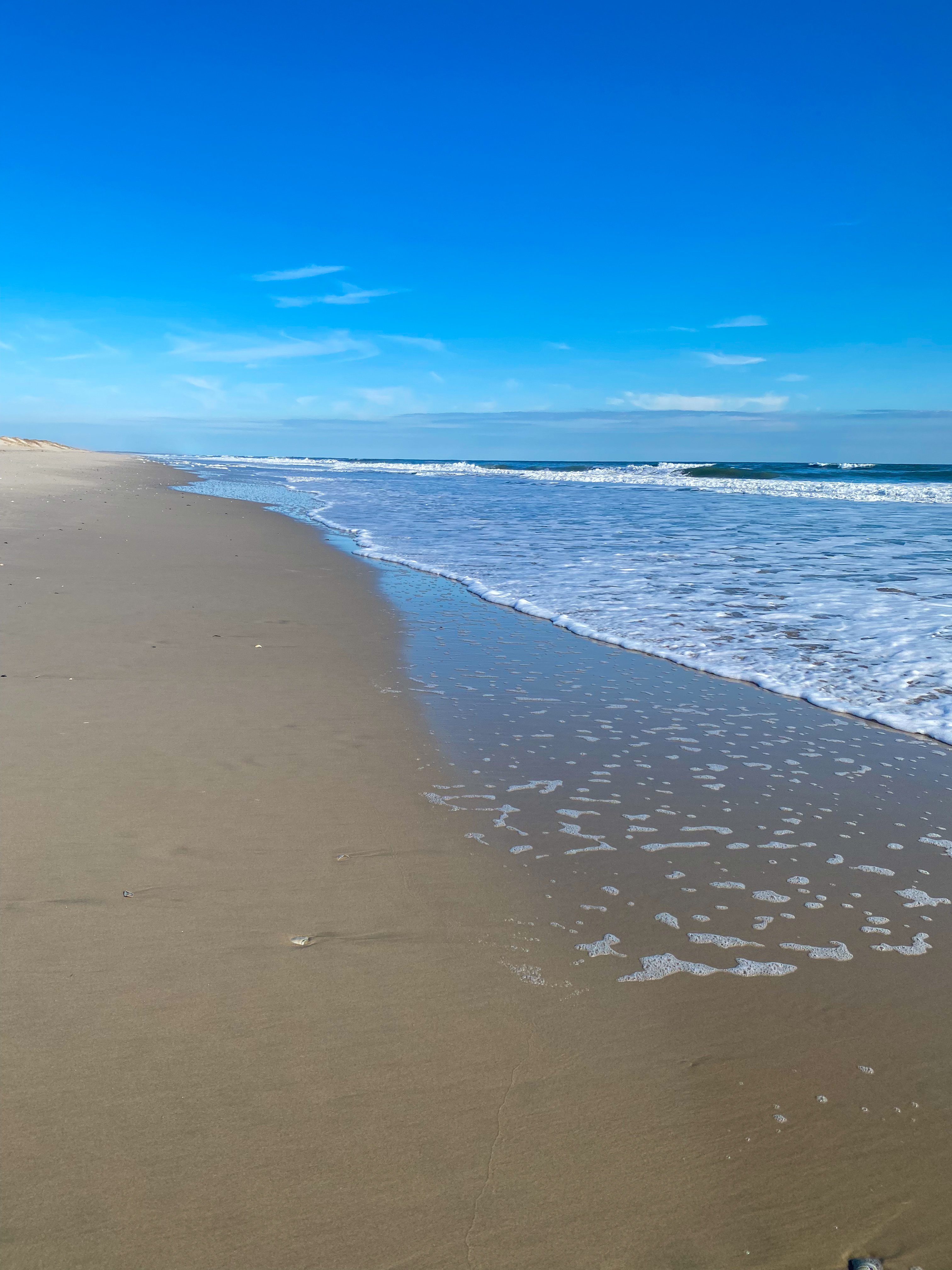
Chincoteague National Wildlife Refuge
Chincoteague National Wildlife Refuge Guide
Chincoteague National Wildlife Refuge is a stunning natural area located on Chincoteague Island, offering a unique blend of outdoor activities and opportunities to observe wildlife in their natural habitats. The refuge spans more than 14,000 acres of diverse environments, including beaches, dunes, marshes, and maritime forests. Here’s everything you need to know to plan your visit.
Hours of Operation
• May through September: Open daily from 5 AM to 10 PM.
• April and October: Open daily from 6 AM to 8 PM.
• November through March: Open daily from 6 AM to 6 PM.
• Wildlife Loop: Open daily for vehicle access from 3 PM until dusk.
• Herbert H. Bateman Visitor Center: Hours vary seasonally. Be sure to check their website for current hours. Closed on December 24th, 25th, 31st, and January 1st.
History and Overview
The Chincoteague National Wildlife Refuge was established in 1943 with a primary goal of providing habitat for migratory birds, particularly the greater snow geese. Today, it serves as a vital sanctuary for a variety of wildlife species, including waterfowl, wading birds, shorebirds, songbirds, and other wildlife. It is one of the most visited wildlife refuges in the United States, offering unparalleled opportunities for wildlife photography, observation, and environmental education.
Recreational Activities
While enjoying the natural beauty of the refuge, there are plenty of recreational opportunities available to visitors:
• Fishing: Enjoy fishing in designated areas of the refuge. Be sure to check local regulations, including license requirements and restrictions on certain species.
• Hunting: The refuge also permits hunting in designated areas during specific seasons. Be sure to consult the latest hunting regulations and obtain the proper permits.
• Wildlife Photography and Observation: The refuge is a fantastic location for wildlife photographers and birdwatchers. With an array of habitats, visitors can capture images of migratory birds, native species, and the breathtaking landscapes.
• Interpretation and Environmental Education: The refuge provides educational resources and programs to help visitors understand the ecosystem, conservation efforts, and wildlife.
Hiking and Biking Trails
The Chincoteague National Wildlife Refuge offers a range of trails for hiking and biking:
• Hiking Trails: Explore the varied landscapes of the refuge on foot, from coastal beach walks to wooded paths that immerse you in nature.
• Biking Trails: For cyclists, there are several designated bike paths that provide scenic routes through the refuge.
You can obtain a Hiking and Biking Trail Map from the visitor center or on this guide to plan your route.
Over Sand Vehicle (OSV) Access
Chincoteague National Wildlife Refuge offers Over Sand Vehicle (OSV) permits for those who wish to drive on the beach. This unique experience allows you to access remote areas of the refuge. Ensure you acquire the necessary permit, and check for specific rules and guidelines regarding OSV access.
Horseback Riding
Horseback riding is permitted on certain trails, and a Horseback Riding Map is available to guide you through the best routes in the refuge. Make sure to follow all posted signs and guidelines to ensure a safe and enjoyable experience for both riders and wildlife.
Pet Policy
Please note that pets are prohibited in all areas of the Chincoteague National Wildlife Refuge, including inside vehicles. This policy helps protect the delicate wildlife and natural resources of the area.
Visitor Center
The Herbert H. Bateman Visitor Center provides a wealth of information about the refuge, including maps, educational displays, and knowledgeable staff to answer your questions. It’s the perfect stop to learn more about the refuge’s history, wildlife, and upcoming programs or events.
Maps and Resources
• Hiking Trails: Learn about the trails in the Chincoteague National Wildlife Refuge.
• Birding Brochure: For birdwatchers, a brochure detailing local species and the best spots for birding is available.
• Boat Use Map: Learn about the areas where boating is allowed and the best spots for water-based activities.
• Personal Watercraft Map: If you plan to use a personal watercraft, a map is available to guide you to permitted areas.
• Over Sand Vehicle Permit Information: Get all the details about permits, rules, and conditions for driving on the beach with an OSV.
Conclusion
Whether you’re visiting for birdwatching, hiking, photography, or simply to enjoy the natural beauty of the Chincoteague National Wildlife Refuge, it’s an experience you won’t want to miss. The refuge’s diverse habitats and abundant wildlife make it one of the top spots on the Eastern Shore for outdoor enthusiasts. Be sure to follow all guidelines and regulations to help preserve this unique environment for generations to come. Enjoy your visit!
 Chincoteague Tourist