
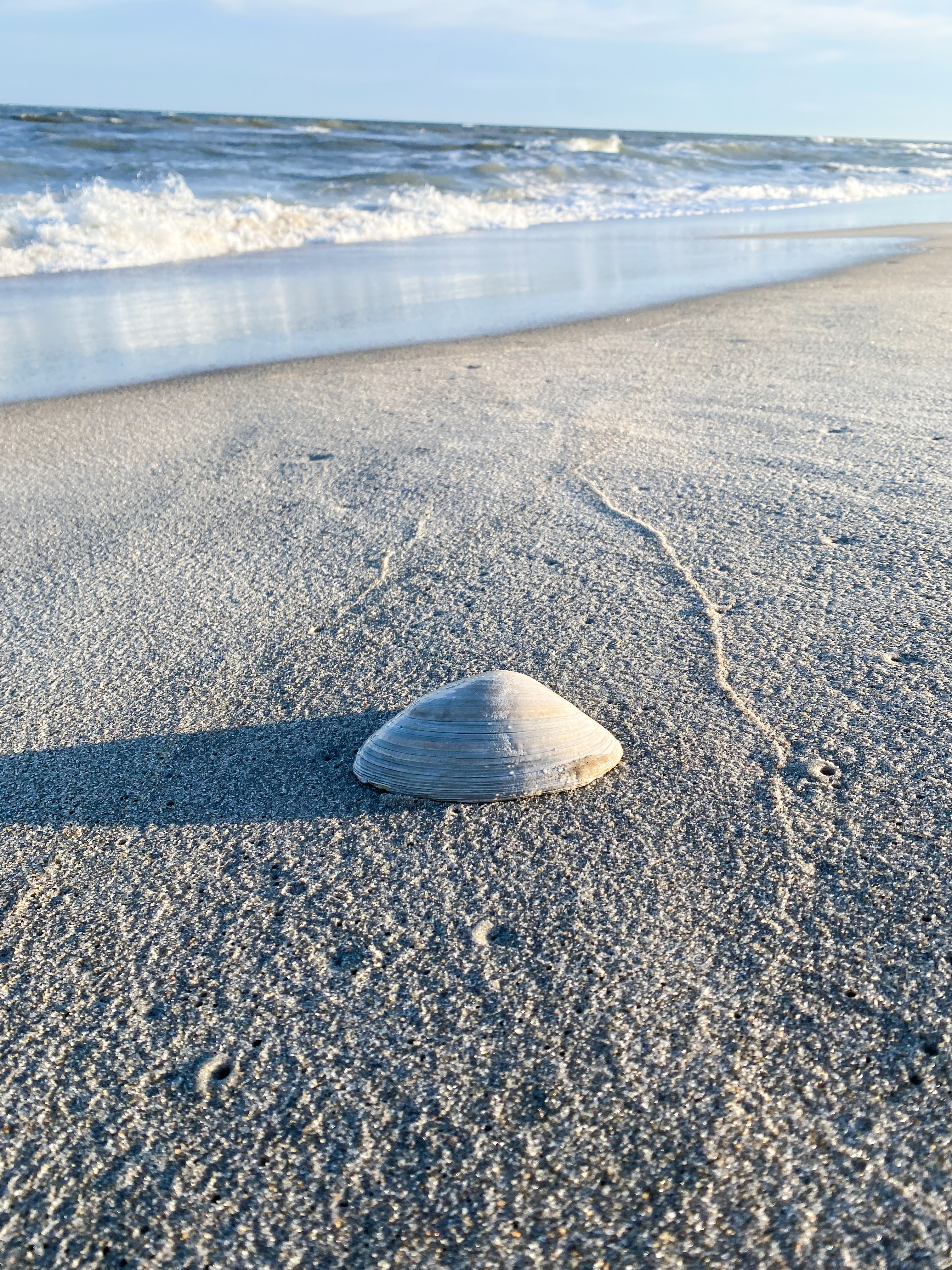
Seashell & Sea Glass Hunting on Chincoteague & Assateague Island
Guide to Seashell & Sea Glass Hunting on Chincoteague & Assateague Island
Chincoteague Island is a treasure trove for seashell and sea glass hunters, with remote beach spots offering some of the best opportunities to discover beautiful finds. While Assateague Island and the Chincoteague National Wildlife Refuge are prime spots for beachcombing, there are specific trails that lead to the most secluded, less trafficked areas, making them perfect for collectors.
Best Remote Beach Spots for Seashell & Sea Glass Hunting
While Chincoteague Island has several beach spots, these remote areas are your best bet for finding seashells and sea glass:
• OSV Trail (Over-Sand Vehicle Trail): This trail leads to the more isolated beaches of Assateague Island, where visitors can take their vehicles (with a permit) to access the remote, sandy shores. These areas tend to have fewer people, and you can often find seashells and sea glass undisturbed by crowds.
• D Dike Trail: The D Dike Trail brings you to a quiet stretch of beach, perfect for seashell and sea glass hunting. It’s a more remote area, offering excellent opportunities to discover treasures hidden along the shore. After low tide, keep an eye out for small, colorful sea glass and a variety of seashells.
• Swan Cove Trail: This trail leads to a peaceful and less trafficked beach area. Known for its serenity, Swan Cove Beach is a great place to find shells and sea glass, especially after a storm or during low tide.
Rules for Collecting
While Chincoteague offers some of the best hunting spots for seashells and sea glass, it’s important to follow the local guidelines to help preserve the island’s natural beauty and ecosystems.
• Collection Limits: You may collect one gallon or less of unoccupied shells per day. This limit helps ensure that there are enough shells for others to enjoy.
• No Commercial Use: Shells may not be sold or used for commercial purposes. The collection is meant to be for personal enjoyment only.
• No Driftwood or Plants: To prevent the spread of invasive species, you are not permitted to collect driftwood or plants.
• Protect Wildlife: Many species in the area, including bones and feathers, are federally protected. Do not collect these items, as they should remain where they are to support the local ecosystem.
• Safety: For your safety, avoid touching any metal objects or sea glass that might be dangerous. If you suspect you’ve found something suspicious, such as unexploded ordnance, report it immediately to local authorities.
Best Time to Hunt
• Low Tide: Time your hunt around low tide, when the water recedes and exposes shells and sea glass. The best finds often emerge during this period, especially after storms.
• After Storms: Storms often bring a large influx of shells and sea glass to the shores, giving collectors a chance to find rare or unique items.
• Early Morning: For the most peaceful experience, start your hunt early in the morning. The calm waters and early sunlight provide ideal conditions for discovering shells and sea glass.
Tips for a Successful Hunt
• Look for Patterns: Once you find one shell or piece of sea glass, search the surrounding area. These treasures often cluster in groups, especially near tidal pools or along the high tide line.
• Be Patient: Beachcombing can be a slow process, but patience is key. Take your time to sift through the sand and explore different areas to find the best treasures.
• Respect Nature: Always leave some shells and glass behind for others to enjoy. Beachcombing is about sharing nature’s gifts, and leaving some behind ensures that the experience remains enjoyable for future visitors.
Tools for the Hunt
• Mesh Bags: Lightweight and durable, mesh bags make it easy to carry your finds without losing any in the sand.
• Buckets: A small bucket helps keep your treasures safe, especially if you’re collecting a larger amount of shells or sea glass.
• Trowel: A small hand trowel can help you dig through sand to find buried treasures.
• Gloves: Wear gloves to protect your hands from sharp edges of shells and broken glass.
• Sunscreen: Remember to apply sunscreen before heading out to protect yourself from the sun’s harmful rays.
What to Do with Your Finds
• Crafts: Use your sea glass and seashells to make jewelry, ornaments, or wind chimes.
• Display: Display your collection in a glass jar or shadow box as a beautiful reminder of your time on Chincoteague Island.
• Respectful Collection: Leave some shells and sea glass behind for others to enjoy. Beachcombing is best when shared with others, and nature thrives when treated with care.
Additional Resources
• Chincoteague National Wildlife Refuge Website: For updates on areas open for beachcombing, maps, and more information about the refuge.
• Local Visitor Centers: Check out local visitor centers for tide charts, updated information, and helpful tips.
By exploring these remote trails and following the guidelines, you’ll have an unforgettable experience hunting for seashells and sea glass on Chincoteague Island. Respect the environment and the local rules, and you’ll be rewarded with beautiful treasures and memories that will last a lifetime. Happy hunting!
 Chincoteague Tourist